May 16, 2026
8
What Should a Brand Book Include?
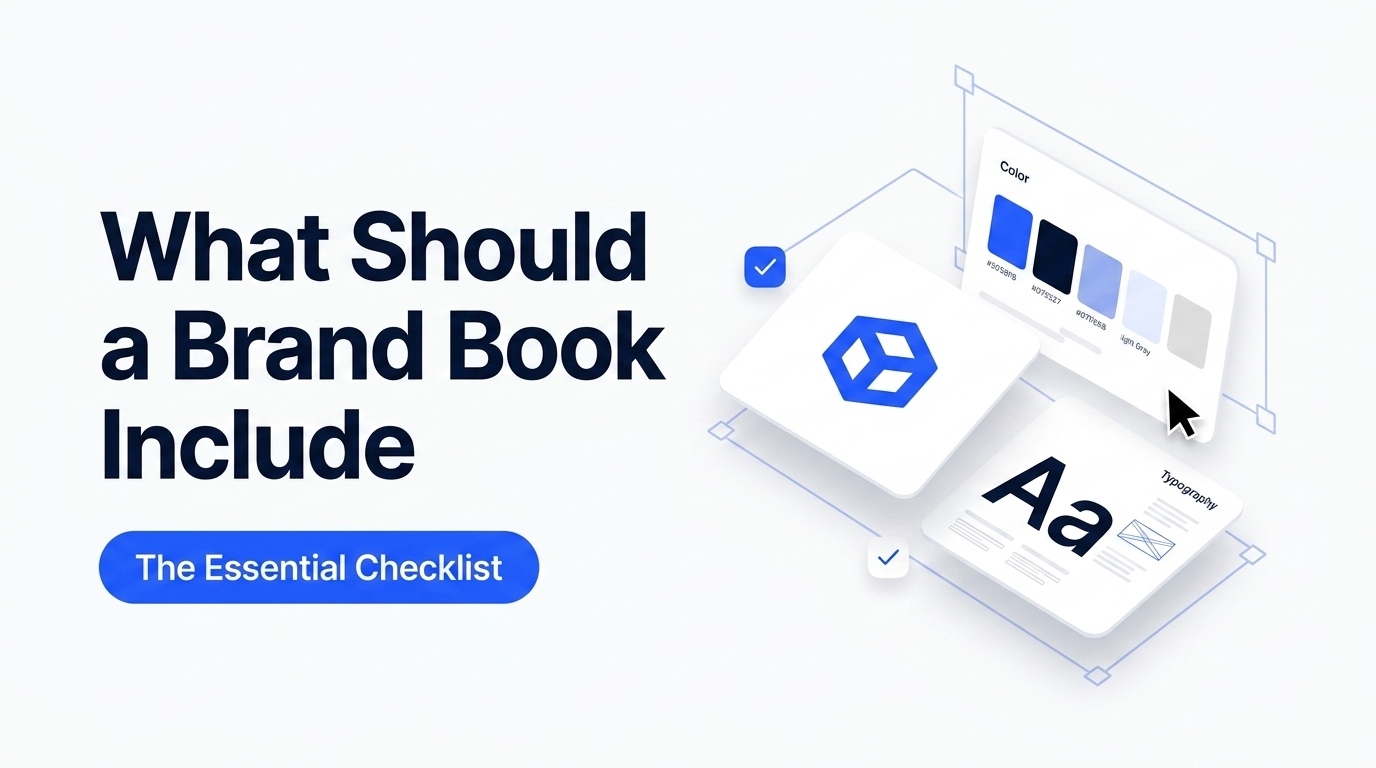
The sections every professional brand book needs
A brand book is only useful if it is complete.
A document that covers logo usage but skips colour values, or explains tone of voice but leaves out typography. That is not a brand book. It is a partial reference that creates more questions than it answers.
Here is every section a professional brand book should include.
Related Reading: If you are not clear on the difference between a brand book and brand guidelines, read what is a brand book first.
1. Brand Overview
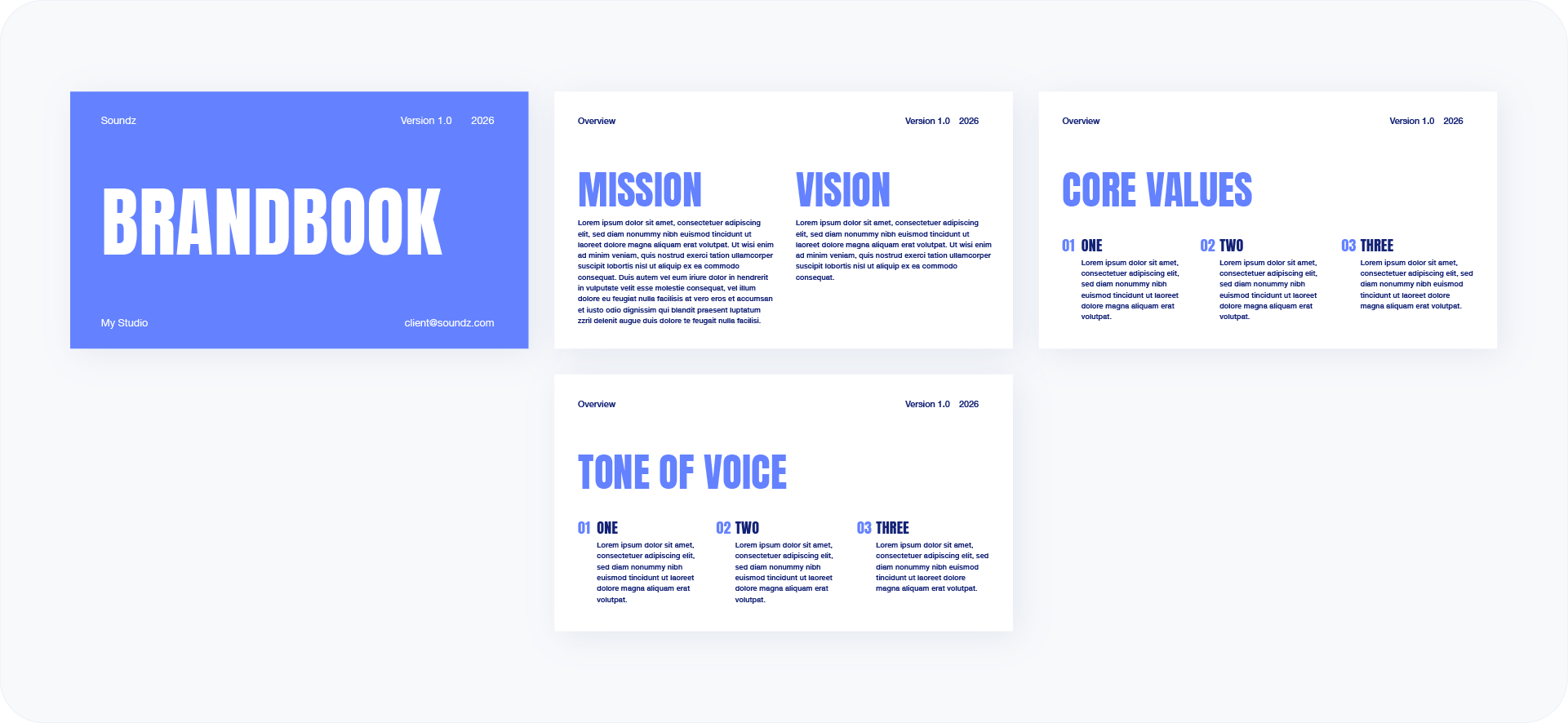
This section covers the strategy behind the brand. It sets the context for every visual and verbal decision that follows.
It should include:
- Mission: why the brand exists
- Vision: where it is headed
- Core values: what it stands for
- Tone of voice: how it behaves and communicates
Not every brand book needs all six. Smaller projects might cover just the mission and audience. Larger brand systems need all of them.
2. Logo Usage
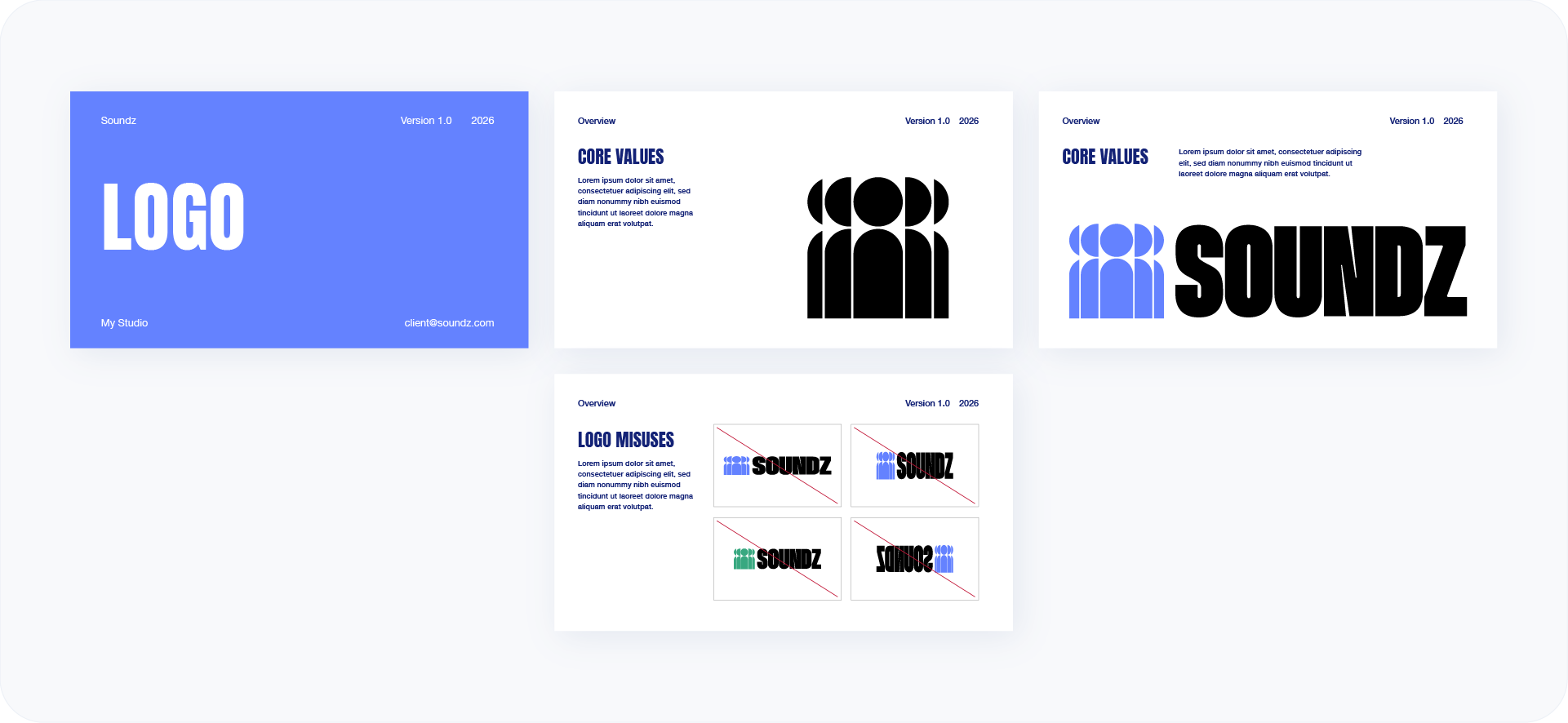
The logo section is the most referenced part of any brand book. It needs to be thorough.
It should cover:
- All logo variations: primary lockup, secondary lockup, logomark, logotype
- Colour variants: full colour, black, white, and inverse
- Clear space rules with a defined measurement system
- Minimum size rules for both print and digital
- Incorrect usage examples showing what not to do
Related Reading: For a breakdown of the folder structure used to deliver all logo variations to a client, read the logo file structure guide.
3. Colour Palette
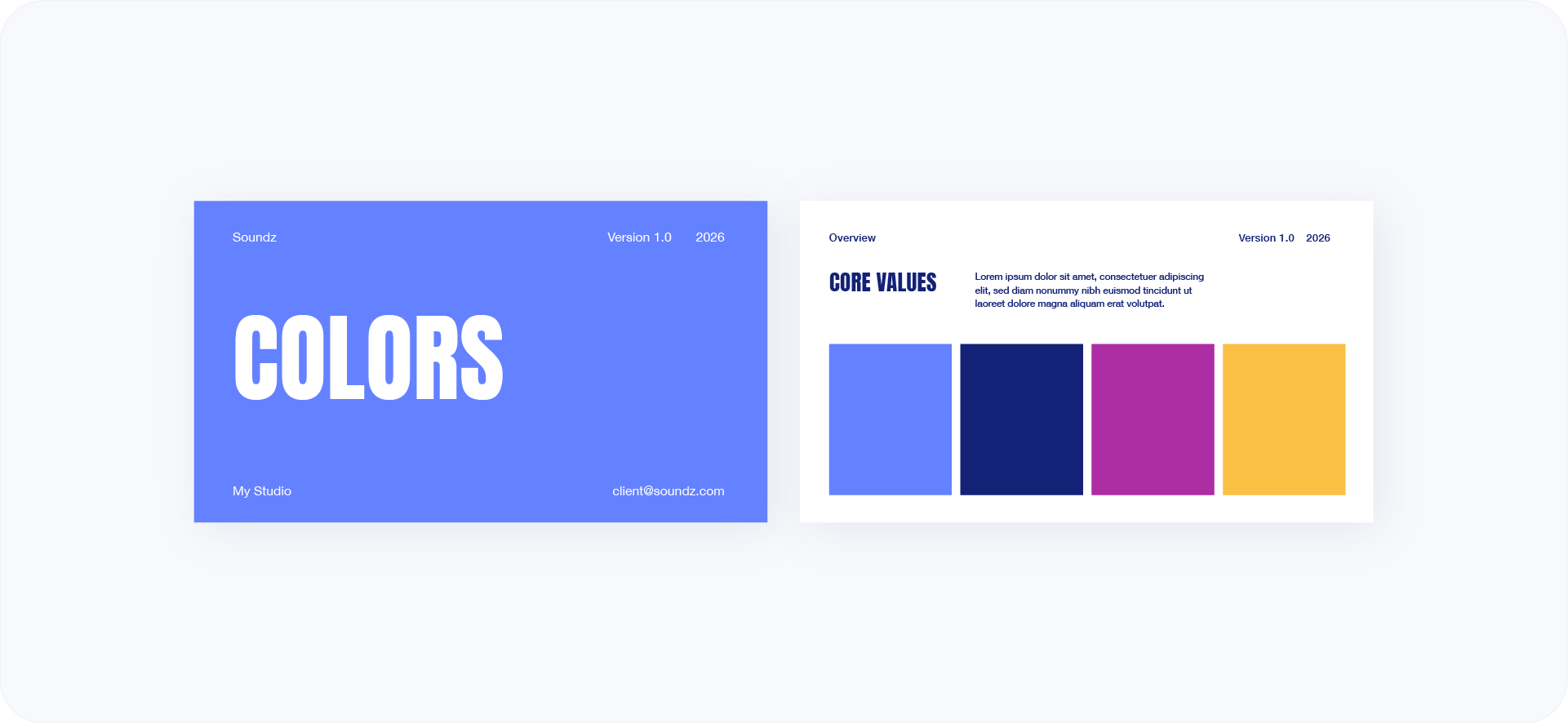
This section defines every brand colour with the values needed to reproduce it accurately across any medium.
It should include:
- Primary and secondary colours
- HEX values for digital use
- RGB values for screen
- CMYK values for print
- Pantone values for specialist print and merchandise
- Guidance on how to combine colours and which combinations to avoid
4. Typography
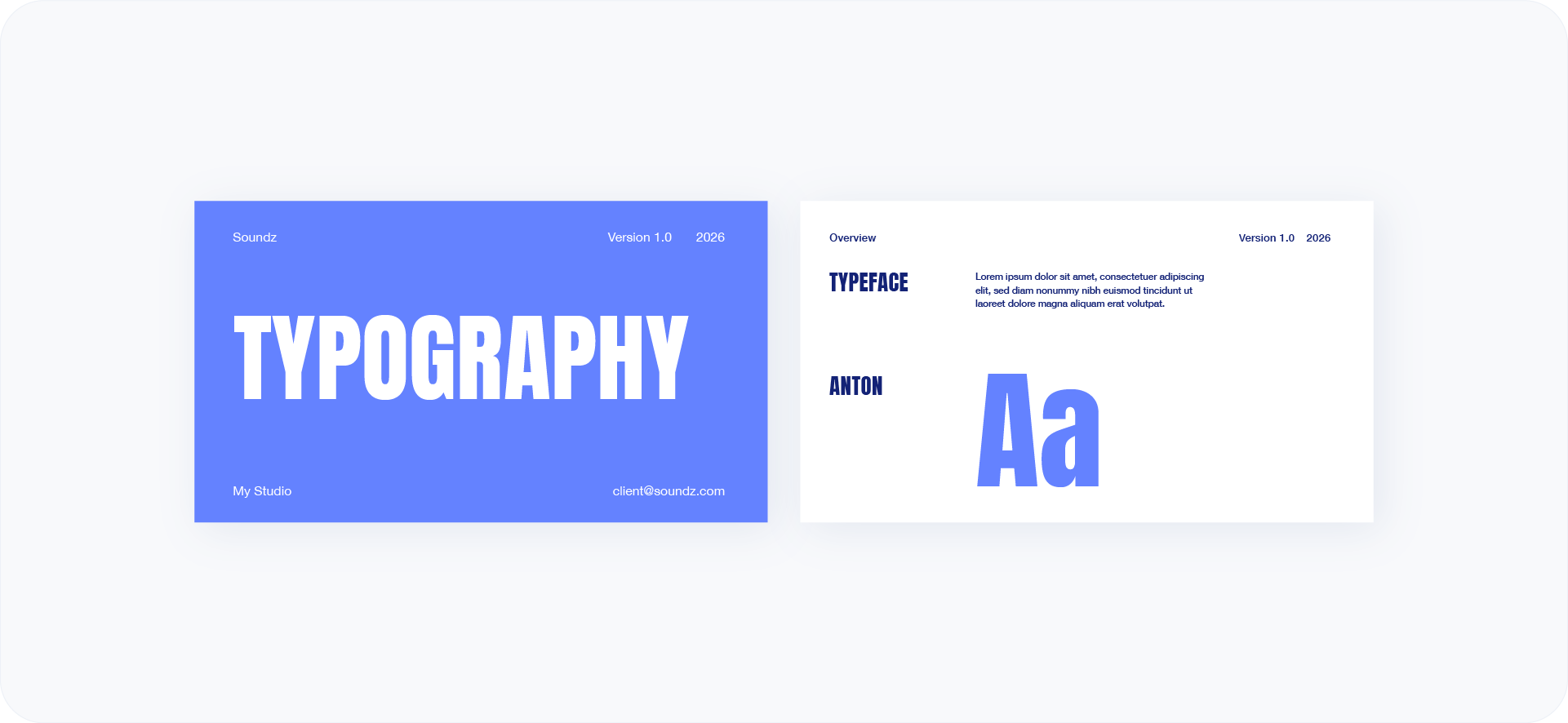
The typography section defines the typefaces used across the brand and how they are applied.
It should cover:
- Primary typeface with weights and styles
- Secondary typeface for supporting copy
- Type hierarchy: heading, subheading, body, caption
- Size guidance for both print and digital contexts
- Spacing rules: line height, tracking, and paragraph spacing
Include visual examples of each style applied in a real layout, not just a font name listed on a plain background.
5. Imagery
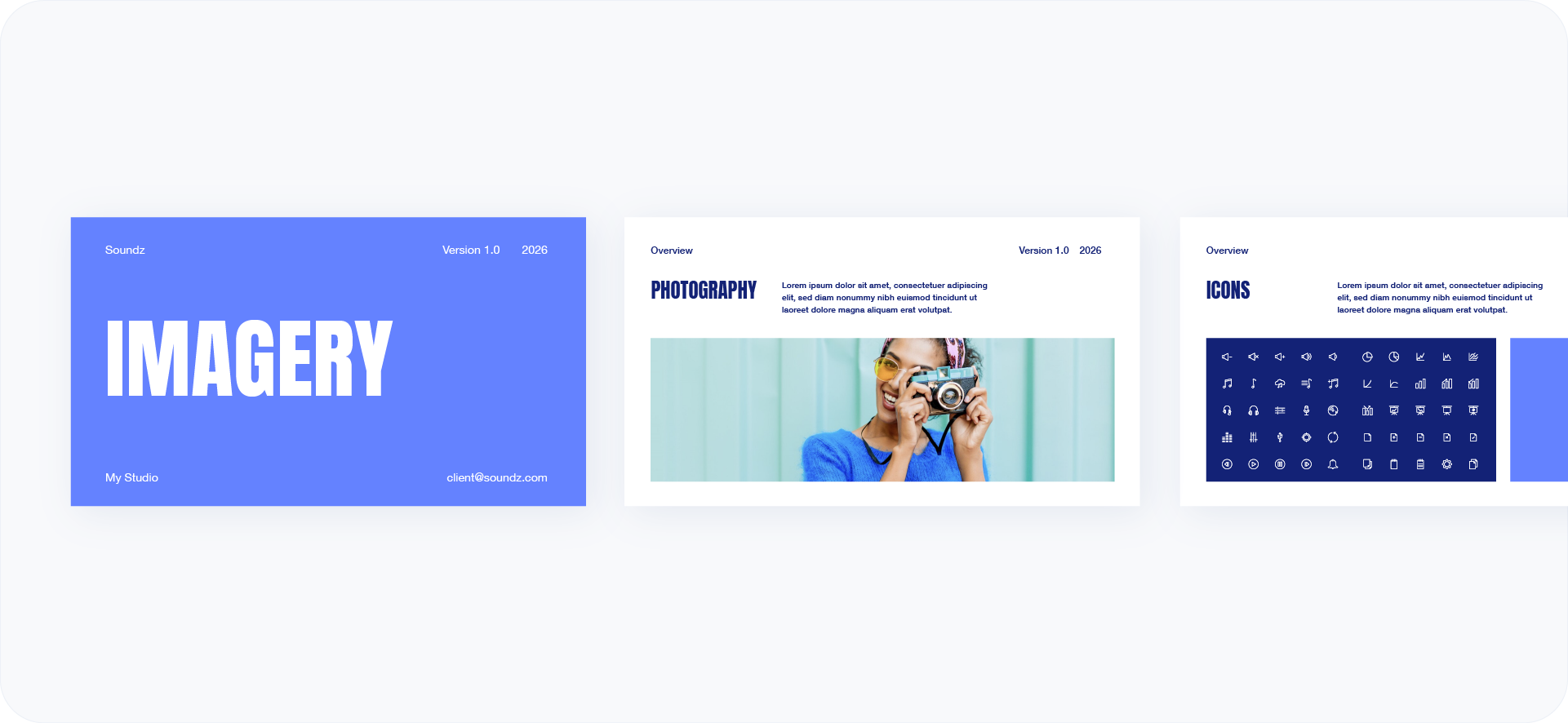
This section gives anyone working on the brand a clear reference for the type of photography, illustration, or visual content that fits the identity.
It should cover:
- Photography style: the mood, subject matter, and lighting direction
- Illustration style if the brand uses custom illustration
- Image do and don't examples showing what fits and what does not
- Guidance on filters, overlays, and colour treatment
6. Applications

The applications section shows the brand working in real-world contexts. This is where the guidelines come to life.
It should show the brand applied to the touchpoints most relevant to the client:
- Business cards and stationery
- Website header and social media profiles
- Email signature
- Signage and environmental graphics
- Packaging and merchandise
- Presentation deck
Not every brand needs all of these. Choose the ones that reflect how the brand will actually be used.
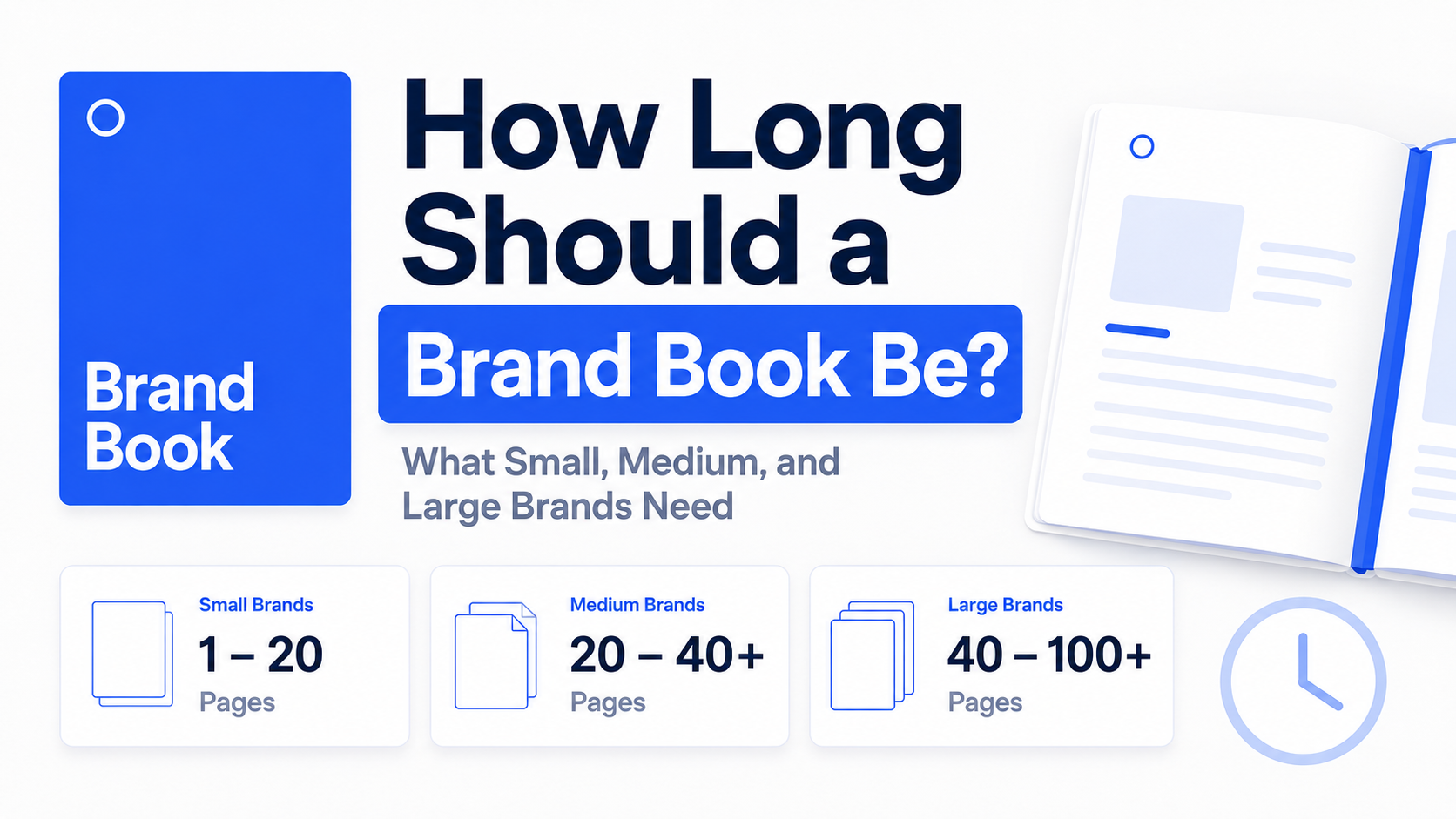
How long should a brand book be?
The length depends on the brand. A startup needs fewer sections than an established organisation with multiple teams using the guidelines across different markets.
A minimum viable brand book covers logo, colour, and typography. That is three sections. A comprehensive one covers all seven sections above.
Related Reading: For guidance on page counts by brand size, read how long should a brand book be.
Start with a template
Building each section from scratch takes time. The brand book templates at Brandbooks are pre-built with all the core sections already laid out in Adobe Illustrator. Replace the content with the client's brand assets and the structure is already done.
Download the free brand guidelines template to get started.
Conclusion
A complete brand book covers brand foundations, logo guidelines, colour, typography, imagery, tone of voice, and applications. Start with the sections most relevant to the client and build out from there.